Quinn Krause · 7 November 2026
Collaborative Efforts Bridge Water Conservation and School Resource Allocation Strategies
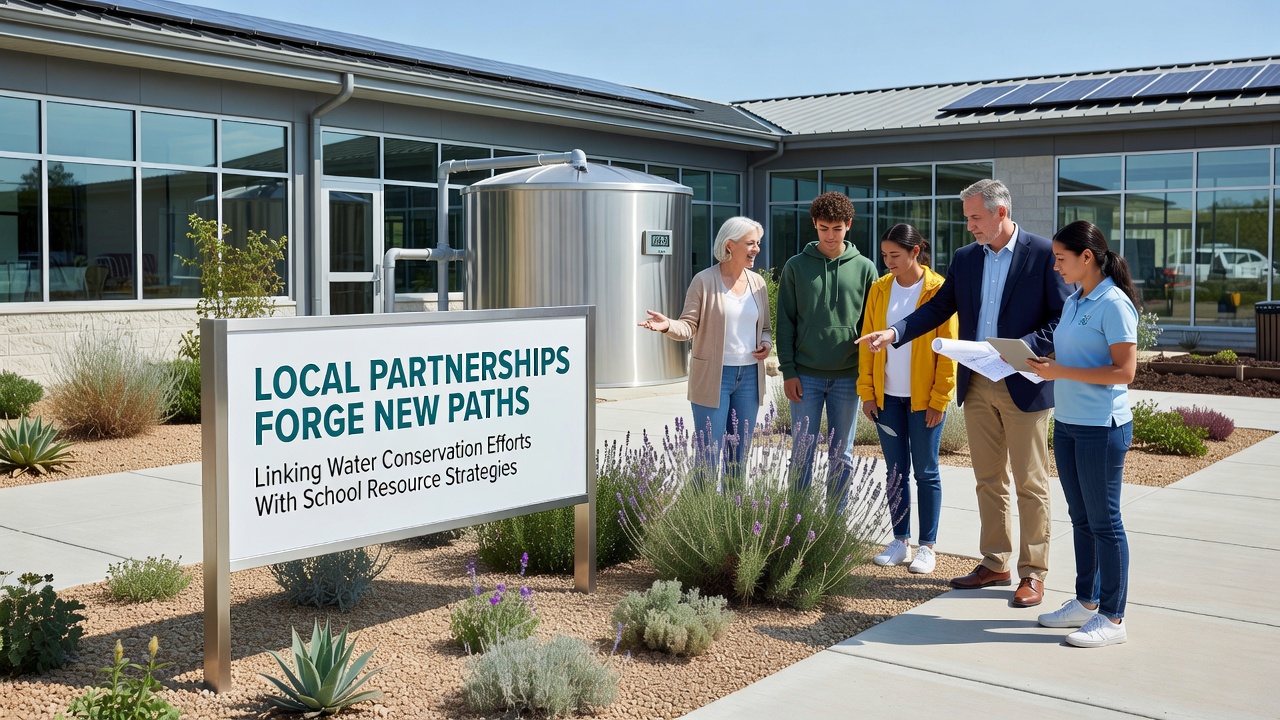
Local partnerships have emerged as central mechanisms for connecting water conservation programs with school resource planning across multiple regions, and data from recent implementations shows measurable reductions in consumption alongside improved facility management, while observers note that these alliances often draw on combined expertise from municipal agencies, educational boards, and environmental groups to align goals that might otherwise remain separate.
Core Elements of These Partnerships
Communities have formed working groups that pool funding streams and technical knowledge, and studies indicate that such structures allow schools to adopt low-flow fixtures and rainwater harvesting systems while municipalities gain access to educational outreach channels that extend conservation messaging into households, yet the approach requires careful coordination because overlapping regulations from federal and state levels can complicate timelines.
Evidence from ongoing projects reveals that joint task forces typically begin with shared audits of water use data, after which priorities are ranked according to both cost savings and educational impact, and this sequencing helps participants track progress through common metrics rather than isolated departmental reports.
Implementation Examples Across Regions
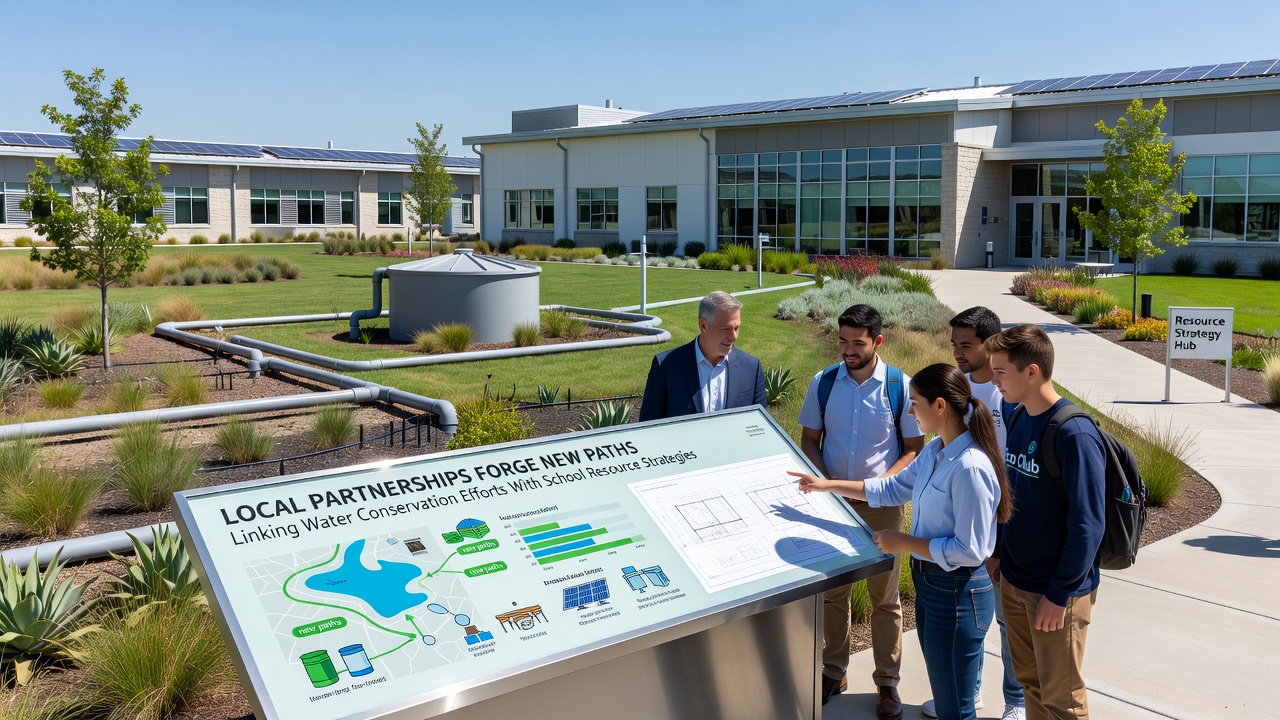
One district integrated sensor-based irrigation controls on school grounds that feed real-time usage information into broader city dashboards, and similar setups have appeared in other areas where agricultural runoff concerns intersect with campus landscaping needs, while figures from the U.S. Environmental Protection Agency highlight efficiency gains when such systems replace older timers.
Another collaboration in a different state paired high school STEM curricula with municipal leak-detection training, allowing students to collect field data that informs public works decisions, and researchers at several universities have documented how these hands-on components increase both water literacy and retention of facility maintenance staff.
Workshops scheduled for November 2026 are expected to expand these models by introducing standardized data-sharing protocols that several Canadian provinces already employ, and early registration numbers suggest strong interest from both rural and suburban districts seeking adaptable templates.
Measured Outcomes and Supporting Data
Reports compiled by the Australian Government Department of Climate Change, Energy, the Environment and Water show that comparable school-municipality linkages produced average water savings of 18 percent within the first two years, and those savings translated into redirected funds for classroom technology upgrades without requiring new tax measures.
Additional analysis from academic research centers indicates that partnerships incorporating student involvement tend to sustain behavioral changes longer than top-down mandates alone, because participants develop ownership over the conservation targets, and this pattern holds across climates that range from arid zones to temperate zones.
Challenges Encountered During Rollout
Coordinators frequently cite mismatched budget cycles between school districts and city governments as an initial hurdle, yet many groups have resolved the issue by creating multi-year memoranda that lock in commitments beyond single fiscal periods, and case reviews confirm that such agreements reduce administrative restarts.
Technical compatibility of monitoring software has also surfaced as a recurring point of friction, although open-source platforms developed through university partnerships have begun to address interoperability gaps, and adoption rates continue to climb as training materials become more widely available.
Conclusion
Local partnerships linking water conservation with school resource strategies continue to generate documented efficiencies and cross-sector learning opportunities, and ongoing documentation from government agencies plus independent research institutions suggests these models will scale further as data protocols standardize and November 2026 gatherings disseminate updated frameworks to additional communities.