Quinn Krause · 24 October 2026
Cultural Gatherings Spark Regional Interest and Support Habitat Safeguards
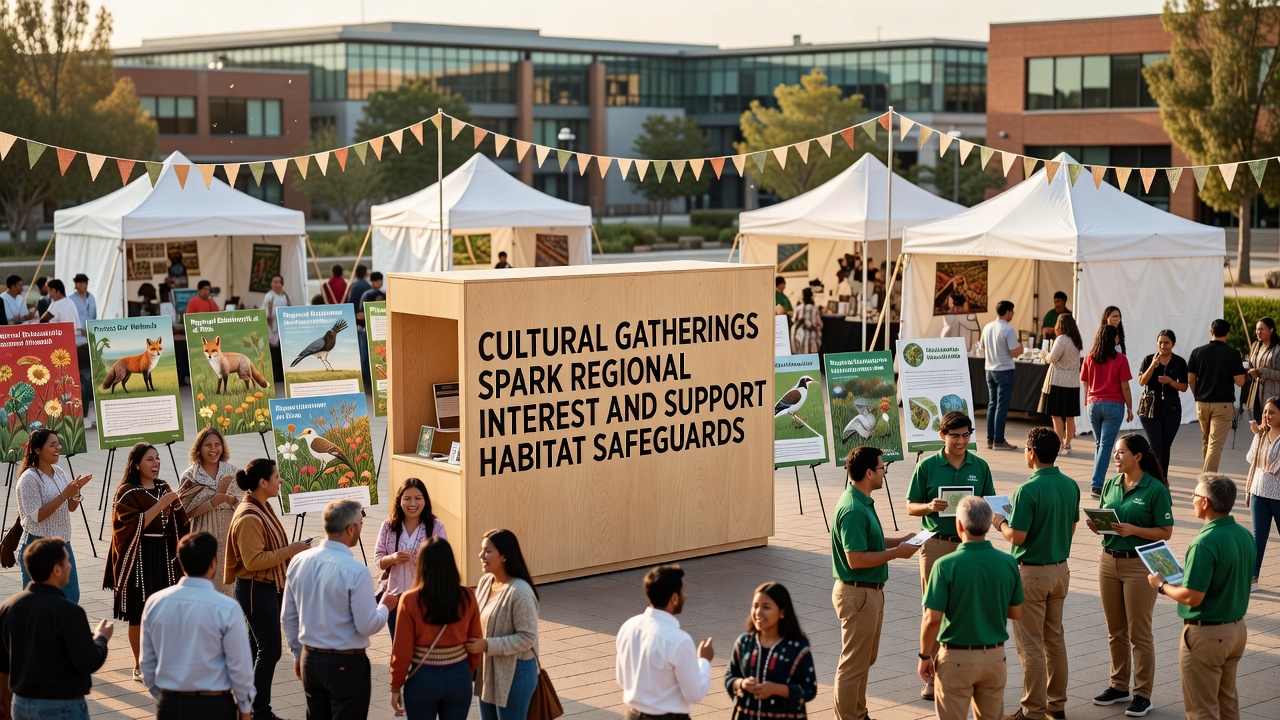
Community events scheduled for October 2026 have drawn attention to longstanding connections between local traditions and surrounding natural areas, with organizers noting increased participation in activities that highlight both cultural heritage and environmental protection measures. These gatherings, held across multiple sites, feature workshops, performances, and discussions that tie historical practices to current efforts aimed at preserving habitats in nearby regions.
Event Details and Attendance Patterns
Attendance records from similar events in prior years show steady growth, and data from regional tourism boards indicate that October programs often attract visitors from adjacent counties who come specifically for combined cultural and conservation programming. Participants engage in guided walks through protected zones while learning about traditional land stewardship methods passed down through generations, and these sessions incorporate presentations from biologists who explain habitat requirements for native species.
One study released by a university research team found that communities hosting such integrated events report higher rates of volunteer sign-ups for habitat monitoring projects in the following months. Organizers coordinate with local agencies to ensure activities comply with existing land use guidelines, which helps maintain access to sensitive areas without causing disruption.
Links Between Cultural Practices and Conservation Efforts
Historical records document how indigenous and settler groups in the area developed agricultural and gathering techniques that supported long-term resource availability, and contemporary events revisit these approaches through demonstrations that align with modern habitat safeguard protocols. Researchers from institutions across North America and Europe have documented comparable patterns where cultural festivals serve as entry points for public involvement in ecological monitoring.
According to information published by Environment and Climate Change Canada, community-led initiatives that incorporate traditional knowledge alongside scientific data often achieve stronger compliance with protection standards because participants develop direct connections to the landscapes involved. Similar findings appear in reports from the Australian Department of Climate Change, Energy, the Environment and Water, which track how regional festivals boost awareness of biodiversity corridors.
Regional Participation and Support Mechanisms
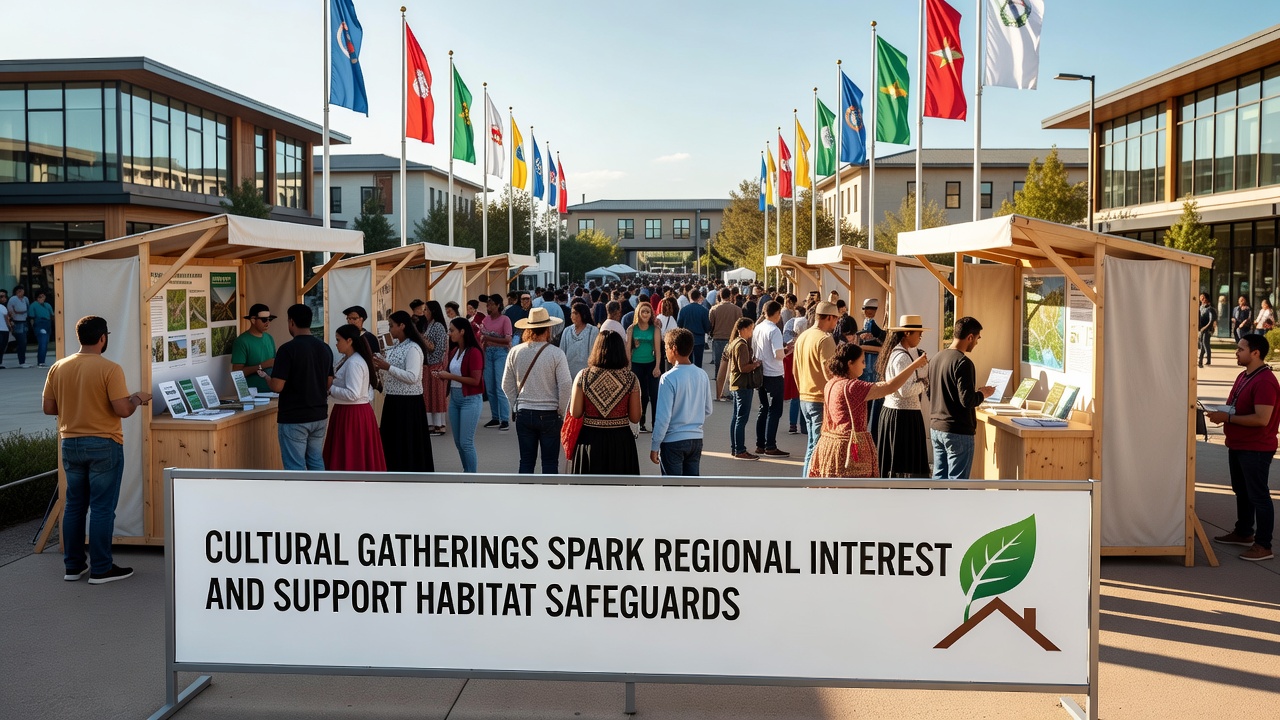
Local businesses contribute resources to these October 2026 programs by sponsoring transportation for school groups and supplying materials for educational exhibits, while municipal governments provide permits that allow events to occur in proximity to protected zones. Data collected through post-event surveys reveal that attendees frequently follow up by joining habitat restoration workdays or supporting local conservation ordinances through public comment processes.
What's interesting here is how repeated exposure through annual gatherings builds cumulative knowledge; people return year after year and gradually take on more active roles in stewardship activities. Figures from regional environmental agencies show corresponding increases in protected acreage designations in areas where cultural programming has maintained consistent presence over multiple seasons.
Broader Impacts Observed in October 2026
Planning documents indicate that several October 2026 gatherings will include dedicated segments on habitat connectivity, featuring maps and case studies from comparable regions where cultural events preceded formal safeguard expansions. Partnerships with academic groups allow for real-time data collection during festivals, turning public participation into contributions to ongoing research on species movement patterns.
Those who've tracked participation trends note that events blending performance elements with practical demonstrations tend to sustain interest longer than purely informational sessions. This approach draws families and multigenerational groups, expanding the audience base that later engages with habitat-related volunteer opportunities.
Conclusion
October 2026 programming continues a pattern where cultural gatherings function as catalysts for sustained regional engagement with habitat protection. Attendance data, follow-up volunteer rates, and agency reports together illustrate measurable connections between event participation and increased support for safeguard measures, with coordination between organizers, researchers, and government bodies ensuring activities remain aligned with established conservation objectives.